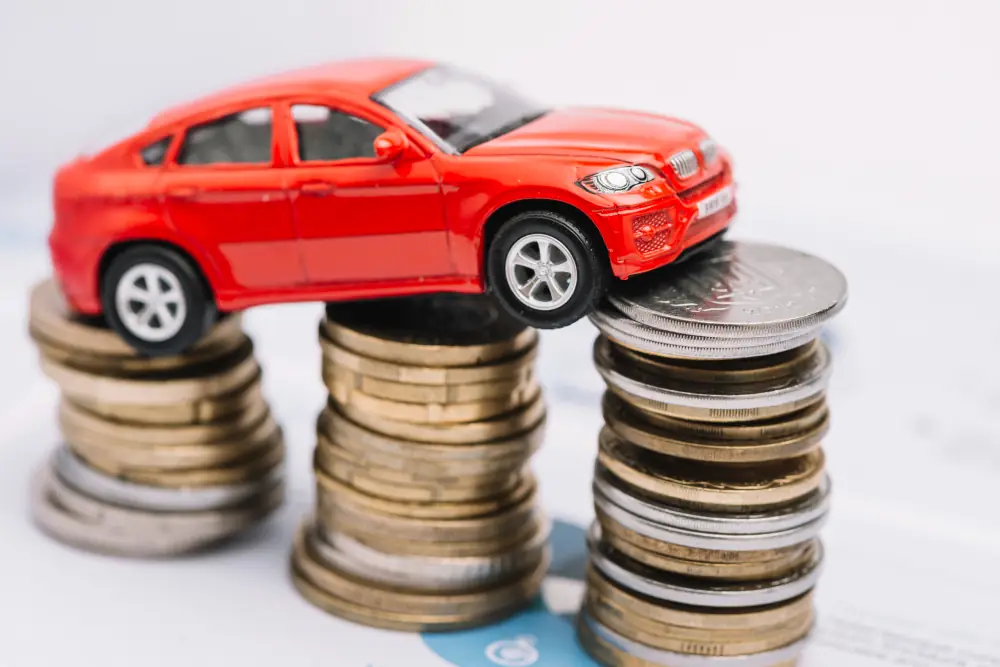
Rising interest rates have made car loans less affordable, leaving many buyers reconsidering their plans. However, recent economic shifts suggest that relief may be on the horizon, with used car interest rates showing signs of gradual decline. For buyers, this creates an opportunity to secure lower monthly payments and improve affordability. Here’s what you need to know about used car interest rates and how they impact your buying decisions.
What Influences Used Car Interest Rates?
Several factors determine auto loan interest rates, especially for used cars. A borrower’s credit score plays a key role in securing lower rates. Excellent credit allows buyers to negotiate better terms. When setting rates, lenders also consider loan terms, credit history, and income. Additionally, the price of the car and inventory levels can influence the rate. For instance, limited inventory often correlates with higher rates.
Broader economic factors such as inflation and Federal Reserve rate changes also shape interest rate trends. As the Fed adjusts its policies, lenders respond by recalibrating their rates. Understanding these influences is essential for buyers navigating today’s auto loan market.

Are Used Car Interest Rates Going Down?
Currently, used car interest rates are on a slow decline but remain higher than those for new cars. The average rate for used cars hovers around 10%, compared to approximately 7% for new car loans. However, the trend is expected to improve, with rates projected to dip slightly by late 2025.
This decline means that monthly payments for used car buyers could become more manageable. As rates continue to drop, affordability is likely to increase. While new car buyers may benefit sooner, used car buyers should keep an eye on market developments to seize opportunities for savings.
How Do Interest Rate Changes Impact Buyers?
Interest rate fluctuations directly affect monthly car payments. Lower rates reduce borrowing costs, making vehicles more affordable. For example, a slight decrease in the interest rate can translate into hundreds of dollars saved over the loan term.
Even small rate drops can significantly impact borrowers with lower credit scores. Conversely, rising rates increase monthly payments, straining budgets and leading to financial difficulties. The ongoing rate decline signals a positive trend for buyers, especially those prepared to take advantage of favorable conditions.
Tips for Securing Better Rates
Securing a competitive interest rate starts with preparing your finances. A strong credit score is critical for accessing lower rates. Buyers should review their credit reports and address any discrepancies before applying for a loan.

Shopping around is equally important. Comparing offers from credit unions, banks, and online lenders can help buyers identify the most favorable terms. Opting for a shorter loan term may also reduce the overall interest paid. Additionally, making a larger down payment lowers the loan amount and reassures lenders, potentially leading to better rates.
For buyers struggling to qualify for competitive rates independently, adding a cosigner with excellent credit can improve approval chances and secure more favorable terms.
What Buyers Should Expect in the Coming Years
As the Federal Reserve continues to adjust its policies, auto loan rates are likely to decline gradually. This means used car buyers should remain patient but proactive in their approach. Monitoring rate trends and timing purchases strategically can result in significant savings.
While buyers with excellent credit stand to benefit the most, those with average or poor credit can still improve their chances by following best practices, such as improving creditworthiness and negotiating effectively.