
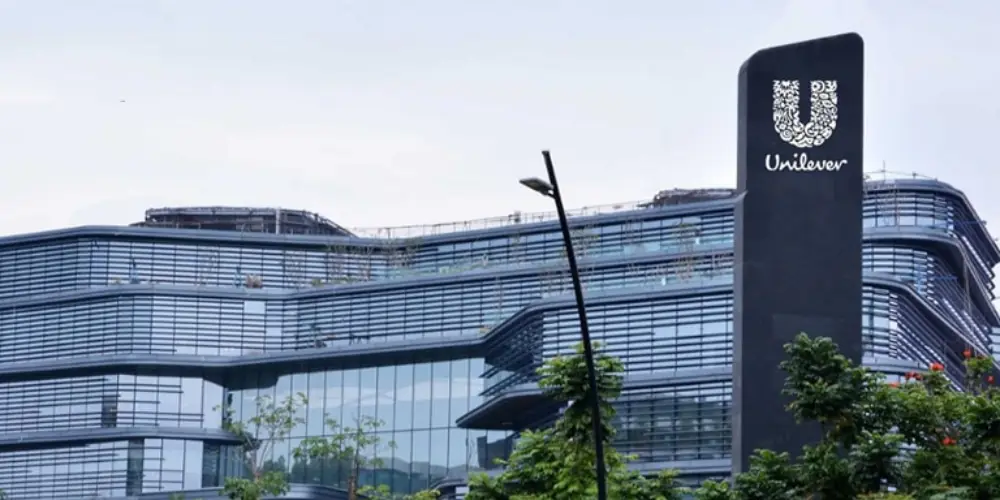
Unilever has officially exited the Russian market, marking a significant decision as the conflict between Russia and Ukraine continues to impact global businesses. This move follows more than two years of war and comes as part of a broader trend of Western companies reassessing their presence in Russia.
Unilever’s departure not only reflects its commitment to aligning with international norms but also underscores the complexities companies face when navigating challenging geopolitical landscapes.
Understanding the Transition
In a recent announcement, Unilever confirmed that it has sold its Russian subsidiary to Arnest Group, a local manufacturer known for producing perfumes and household goods. This acquisition is part of a growing trend, as numerous Western firms have opted to divest their Russian operations in light of the ongoing crisis.
1. According to reports, the sale includes Unilever’s Belarus operations, with the total deal valued at around €600 million.
2. Unilever’s Russian business comprises a diverse range of well-known products, from personal care items to food brands, catering to a vast customer base across various sectors.
CEO’s Perspective
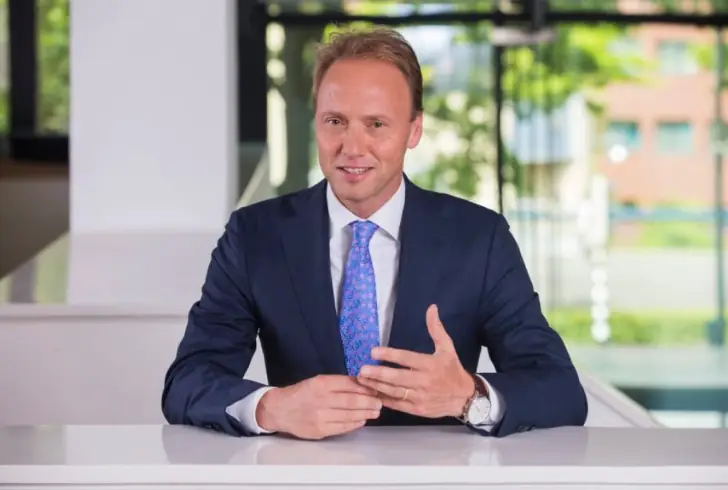
Hein Schumacher, the CEO of Unilever, commented on the transition, stating, “The sale of our Russian subsidiary to Arnest Group signals a new chapter for us. After meticulous planning over the past year, we have ensured a smooth transition, allowing us to separate our operations while complying with local regulations.” This strategic move highlights Unilever’s focus on adapting to the rapidly changing business environment.
A Growing Trend of Exits
Unilever is not the only company making this major change. Several other multinational firms, such as HSBC, Volkswagen, and Heineken, have also decided to leave Russia since the war began. This decision was not easy for these organizations, as they encountered significant challenges from the Russian government. These challenges included efforts to seize foreign assets and legal issues that made it difficult to exit the country.
The Pressure to Leave
Unilever’s continued operations in Russia have faced growing backlash. Critics argue that the company prioritizes profit over ethical concerns, especially in light of the ongoing conflict. As public opinion turns against businesses perceived as supporting the Russian economy, the pressure to divest has intensified.
While leaving Russia poses significant challenges, many view it as a moral imperative to align with international values and stand in solidarity with those affected by the conflict.
Navigating New Ownership
With the sale finalized, Unilever’s extensive operations in Russia, including its four factories, are now under Arnest Group’s management. The transition involves careful planning and execution, with the company ensuring all aspects, from supply chains to branding, were meticulously managed.
Key areas of focus during this process included:
1. IT Separation – Safeguarding proprietary technology and information.
2. Supply Chain Adjustments – Ensuring continuity while transitioning to new management.
3. Brand Localization – Adapting branding strategies to align with local norms and regulations.
This level of detailed planning reflects Unilever’s commitment to responsible corporate governance, even in challenging circumstances.
The Path Ahead
Unilever’s decision to leave Russia amid the ongoing situation in Ukraine is an important example for other multinational companies facing similar challenges. This move highlights how geopolitical events can affect business operations and underscores the need for companies to act responsibly and uphold ethical standards.
Unilever’s exit marks a significant moment in its history, showing the importance of being adaptable and making ethical choices in today’s complicated global market. As companies reassess their strategies, the lessons from Unilever’s experience are likely to influence the corporate world, promoting a more thoughtful approach to international business during conflicts. This exit also reflects a growing trend among global companies to prioritize values over profits, ushering in a new era of responsible corporate citizenship.