Trump has a way of shaking things up, but not everyone on Wall Street is worried. Despite market swings and trade policy debates, some of the biggest names in finance are keeping cool. They acknowledge the concerns but see opportunities in Trump’s approach to tariffs, deregulation, and tax cuts.
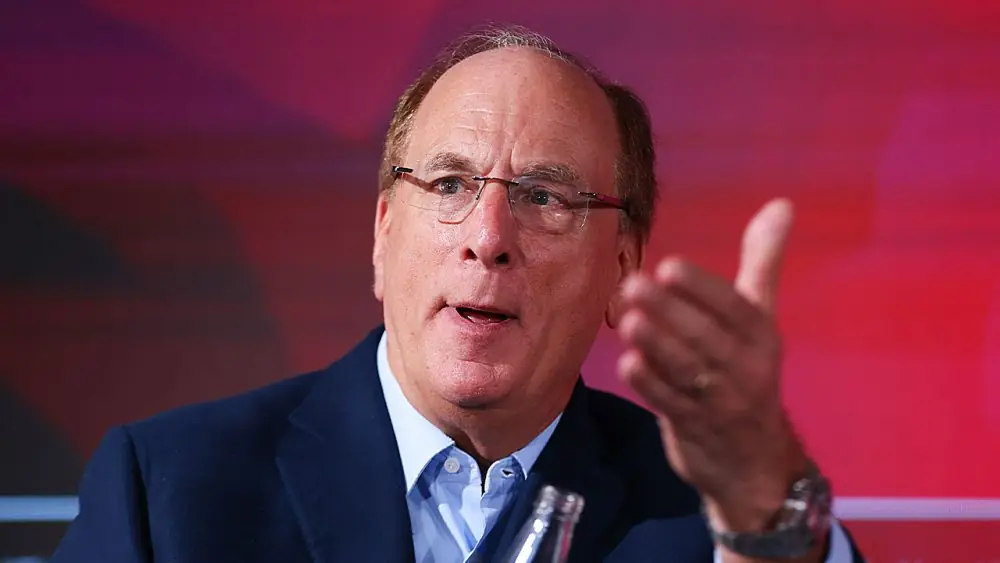
Blackstone CEO Steve Schwarzman thinks tariffs could actually benefit U.S. manufacturing in the long run. Goldman Sachs CEO David Solomon admits businesses prefer lower tariffs but understands Trump’s goal. And BlackRock’s Larry Fink, despite hearing chatter about a weakening economy, still sees potential for a bullish market if private capital is unleashed.
These heavyweights are not exactly cheering from the rooftops. But they are also not hitting the panic button.
Unfazed About Trump’s Tariffs
Trump’s tariffs have rattled investors and business leaders, but some think they could lead to a stronger domestic economy. Schwarzman argues that forcing companies to manufacture more in the U.S. could be a win in the long run. It is a gamble, but one that could shift production and create more jobs stateside.
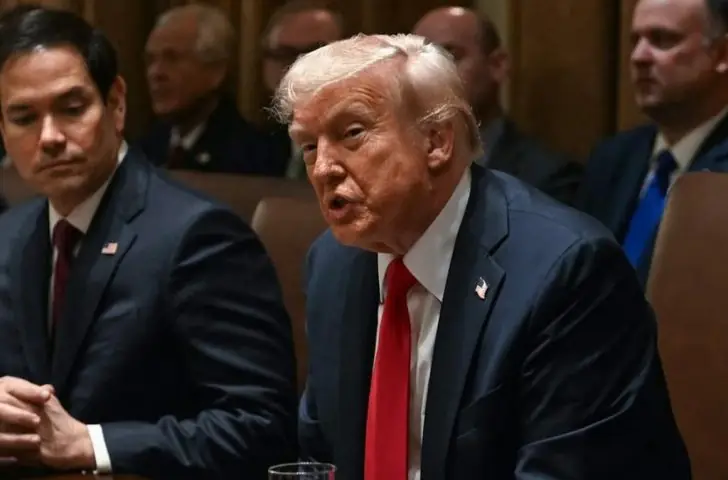
Although cautious, Solomon is not sounding the alarm. He acknowledges that tariffs create short-term challenges, but he believes that most executives understand Trump’s trade moves. The big question is whether the benefits outweigh the costs.
While some sectors may take a hit, others could thrive, particularly those positioned for domestic growth.
What About the Tax Cuts?
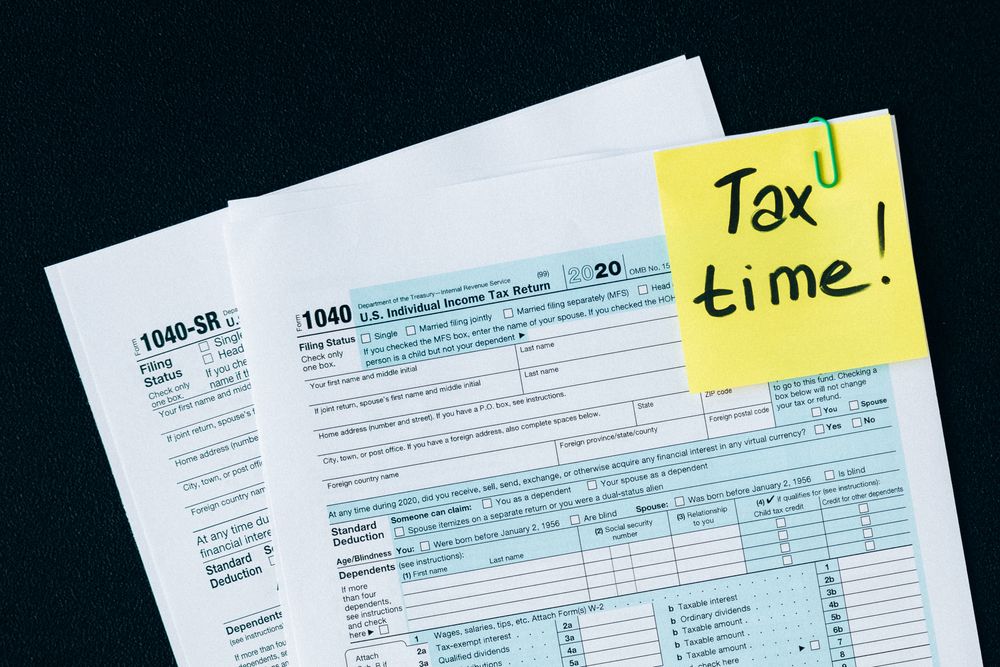
Trump’s corporate tax cuts sparked a market rally and boosted business confidence. Wall Street loved it. The cuts gave companies more room to invest, expand, and return cash to shareholders. But the question now is whether that momentum can continue.
During a private meeting, Trump hinted at extending corporate tax cuts and speeding up project approvals. That is music to Wall Street’s ears. While some worry about deficits, many CEOs see tax cuts as a crucial factor in sustaining economic growth.
If ‘Trump 2.0’ delivers more tax relief, it could inject fresh energy into markets.
The Deregulation
One of Trump’s biggest draws for Wall Street has been his aggressive deregulation. Banks and financial firms have seen fewer restrictions, making it easier to do business. Jamie Dimon, JPMorgan’s CEO, has applauded efforts to cut Washington red tape.
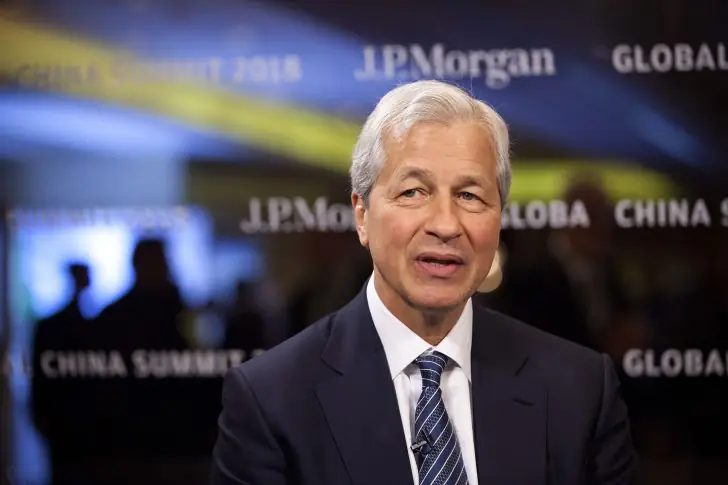
But deregulation is not without risks. Some fear that rolling back too many rules could lead to another financial bubble. For now, though, many executives are happy with the lighter regulatory burden. If Trump continues this trend, it could keep markets humming – at least in the short term.
Trade Uncertainty Still Looms
While tax cuts and deregulation have been Wall Street-friendly, Trump’s unpredictable trade policies have introduced a level of uncertainty that makes executives uneasy. The trade war with China, shifting tariffs, and fluctuating economic outlooks make it hard for businesses to plan.
Goldman Sachs was the first major Wall Street firm to lower its year-end price target for the S&P 500, citing concerns over Trump’s trade moves. The uncertainty is keeping some deals on hold and making executives think twice about major investments.
However, despite the cautious outlook, many still believe the long-term fundamentals remain strong.